10 Critical Reasons to File Your 2025 Business Tax Return on Time in 2026

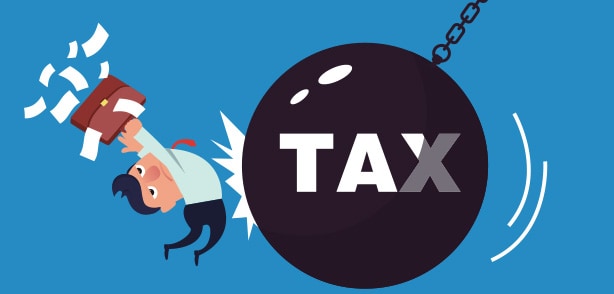
Filing your 2025 business tax return late could cost you thousands in penalties, damage your credit, and even result in asset seizures. Here's why timely filing is essential for your business in 2026.
The 2026 tax filing season is approaching, and if you're putting off your 2025 business tax return, you're exposing your company to serious financial and legal risks. While the winter months may not inspire tax preparation, understanding these consequences will motivate you to schedule that accountant appointment now.
Late Filing Triggers Expensive IRS Penalties
Filing late means facing charges beyond your tax liability. The IRS failure-to-file penalty starts at 5% of unpaid taxes for each month your return is late, reaching a maximum of 25%. Interest compounds at the Federal short-term rate plus 3%, and if you file 60 or more days late, you face a minimum penalty of $525 or 100% of tax due, whichever is less.
If you owe $20,000 and file three months late, you could face a $3,000 penalty plus interest. As a business owner responsible for protecting company assets and employees depending on paychecks, filing an extension through IRS Form 7004 is always better than filing late without notice.
On-Time Filing Opens Access to IRS Payment Plans
If your business is cash-strapped, filing on time actually eases your burden. The IRS works with responsible taxpayers by offering payment plans that spread your liability over manageable monthly installments. Late filers often lose access to favorable payment terms.
Get Quality Time With Your CPA During Off-Peak Season
Accountants face tremendous stress during peak season. By filing early or on time, you secure their attention when they're not burnt out and rushing through returns. Early scheduling means more thorough preparation, better tax planning, and potentially identifying missed deductions rather than emergency damage control.
Protect Your Business Cashflow and Reduce Financial Stress
Late-filing penalties directly impact your daily operations. For startups and growing businesses, these additional costs can force difficult choices between paying unexpected penalties or making payroll, restocking inventory, or investing in growth. Timely filing lets you plan for tax payments and maintain control of your financial destiny.
Avoid Public Tax Liens That Damage Your Reputation
When the IRS places a lien on your business assets due to unpaid taxes, it becomes public record. Lenders, potential customers, investors, and business partners can discover this with a simple search. Tax liens signal financial distress and management problems, potentially costing you contracts, partnerships, favorable lending terms, and investor confidence. Your reputation takes years to build and moments to destroy.
Preserve Your Business Credit Score and Borrowing Power
While the IRS doesn't directly report late payments to credit bureaus, maxing out credit cards to pay overdue taxes increases your credit utilization ratio, lowering your score. More importantly, lenders require tax returns to verify your income and financial health. Missing or late returns raise red flags that can disqualify you from financing. If you can't file taxes on time, why should they trust you with their capital?
Understand the Personal Liability Risk
Sole proprietors and single-member LLC owners face personal liability for business tax obligations. Poor business tax records can result in personal asset seizures, garnished wages, damaged personal credit, and difficulty obtaining personal loans or mortgages. The corporate veil doesn't protect you from tax liabilities. Your home, car, and savings account all become fair game for IRS collection actions.
Don't Forfeit Your Business Tax Refund
If you're due a refund, filing late won't trigger failure-to-file penalties. However, the IRS imposes a three-year statute of limitations on refund claims. File more than three years after the original deadline and you forfeit your refund entirely, that money you overpaid becomes a permanent gift to the federal government.
Prevent IRS Liens, Levies, and Asset Seizures
Persistent delinquency triggers severe collection actions. Liens give the IRS legal claim to your business property, while levies allow them to seize real estate, equipment, inventory, and bank accounts. The IRS doesn't need lengthy court proceedings—once you've exhausted appeals and ignored payment demands, they simply show up and take what they need to satisfy your debt.
Avoid Passport Revocation Under the FAST Act
If you owe more than $64,000 in combined tax, penalties, and interest, the 2025 threshold adjusted annually—the IRS can revoke or deny your passport under the FAST Act. For business owners traveling internationally for trade shows, client meetings, or supply chain management, losing passport privileges can devastate operations. Picture discovering at the airport that your passport has been revoked right before meeting your biggest international client or attending a critical industry conference in Europe.
Take Proactive Action Now for 2026 Filing Season
If you're delaying your 2025 tax return due to cash constraints, work with your accountant to file Form 7004 for a six-month extension moving your deadline to October 15, 2026. Establish an IRS payment plan to manage your liability over time, and maintain compliance to protect your business, employees' security, and professional reputation.
Legitimate reasons for extensions include missing essential documentation from pending transactions, anticipating beneficial tax code changes, experiencing temporary cash shortages requiring payment plan negotiation, or involvement in existing IRS disputes. Always consult qualified tax and legal counsel before making filing decisions.
2026 Tax Filing Fast Facts
Corporate income taxes generated $612.8 billion in federal revenue, the third-highest government revenue source behind individual income taxes ($2.5 trillion) and Social Security taxes ($1.1 trillion). Key business tax deadlines for 2026: C-Corporations and sole proprietors April 15, S-Corporations, Partnerships, and LLCs March 17 (calendar-year filers).
Need Working Capital While Managing Tax Obligations?
Seasonal cashflow challenges shouldn't force you into tax penalties. Fora Financial helps businesses access fast, flexible financing to maintain operations while managing tax obligations responsibly. Contact Fora Financial today to learn how we can support your business growth while you manage your 2026 tax obligations.
Important Disclaimer: This article is for educational purposes only and not tax, legal, or financial advice. Fora Financial does not provide tax, legal, or accounting advice. Tax laws are complex and change frequently. Consult with a qualified CPA, Enrolled Agent, or tax attorney for personalized advice tailored to your situation.
Since 2008, Fora Financial has distributed $5 billion to 55,000 businesses. Click here or call (877) 419-3568 for more information on how Fora Financial's working capital solutions can help your business thrive.